Why Decodable Books Matter
Decodable books give learners a chance to apply the reading code they have actually been taught. In an Orton-Gillingham-inspired structured literacy approach, that matters.
Instead of asking students to memorize a pattern, rely on pictures, or guess from context, decodable books let them practice sound-symbol connections in connected text. That is a key step between learning a new pattern and reading with real confidence.
This kind of controlled practice is especially important for beginners, students with dyslexia, struggling readers who need to rebuild foundations, and older learners who still benefit from explicit instruction.
What makes a book decodable?
A decodable book mostly uses letter-sound patterns the learner has already been taught, with only a small number of high-frequency irregular words introduced on purpose.
That makes the instructional logic visible: learn the sound, practice the pattern, then read it in connected text. The sequence is clear, cumulative, and designed to reduce guessing.
For a helpful outside explanation, see Reading Rockets on why decodable books matter and the International Dyslexia Association for structured literacy guidance.
Why decodable books are so important
They build decoding habits
Students learn to look at the letters, say the sounds, and blend the word instead of guessing.
They support dyslexic learners
Dyslexic students often need more explicit, repeated practice with sound-symbol mapping. Decodables provide that practice in a manageable way.
They build confidence
When the text matches instruction, learners can succeed. That success matters for young children, older students, and adults alike.
How decodable books fit the Orton-Gillingham process
In structured literacy, students are not meant to tackle everything at once. They first learn the sounds and rules, then practice those patterns in words, then apply them in connected text.
Decodable books are the bridge between isolated practice and real reading. They help students transfer a taught skill into a meaningful reading experience without being overwhelmed by patterns they have not learned yet.
That is why decodables belong in a strong literacy curriculum. They are not the whole reading experience, but they are an important part of it.
Sample decodable books
Here are some sample decodable books that are part of the program.
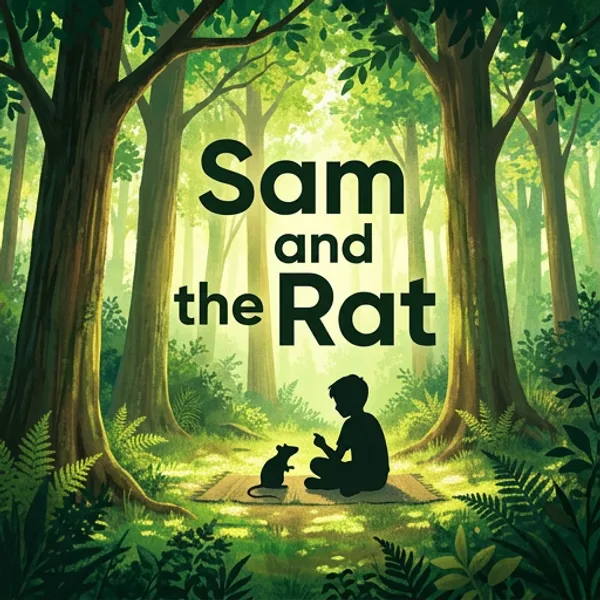
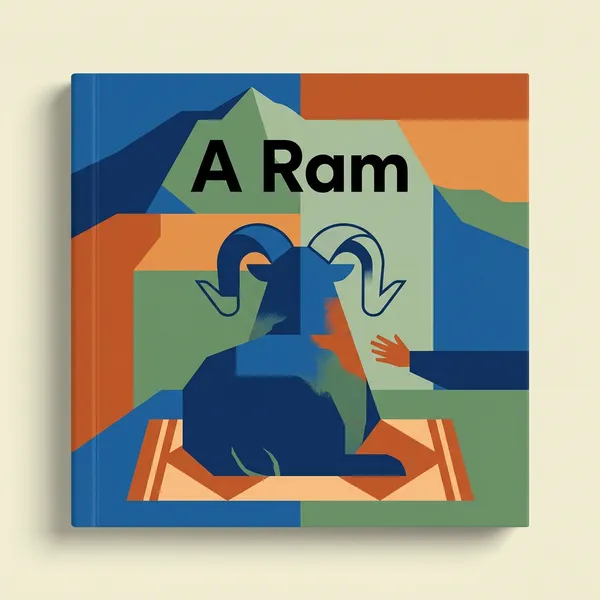

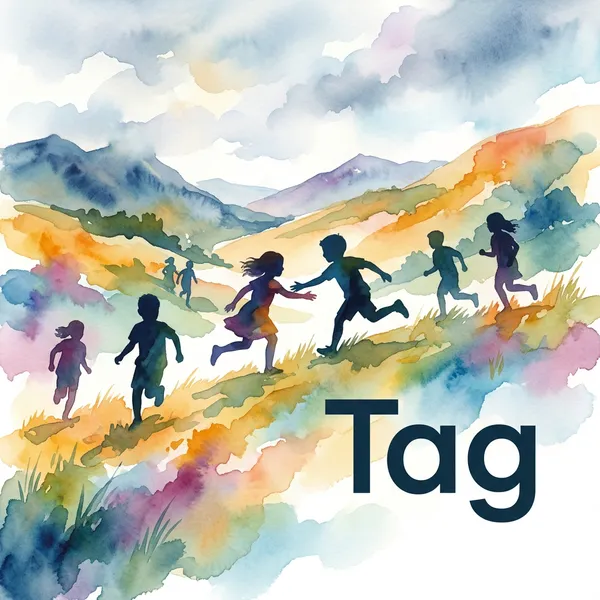

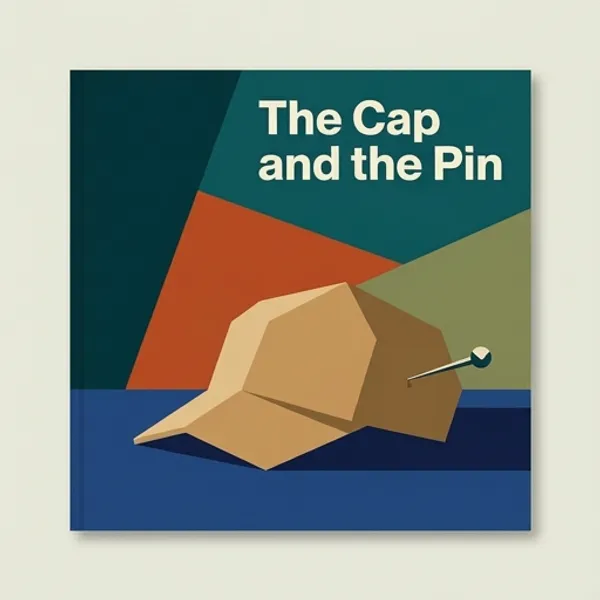
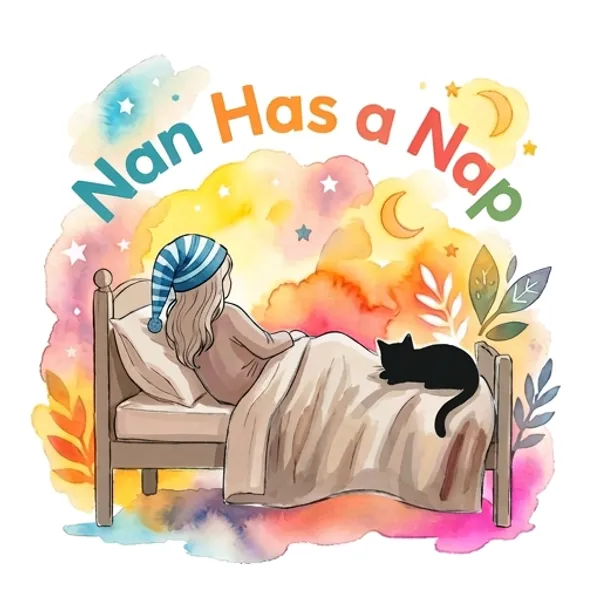
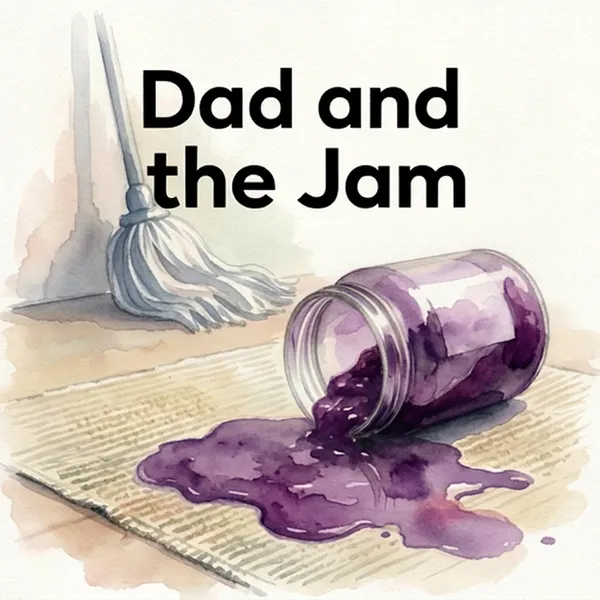
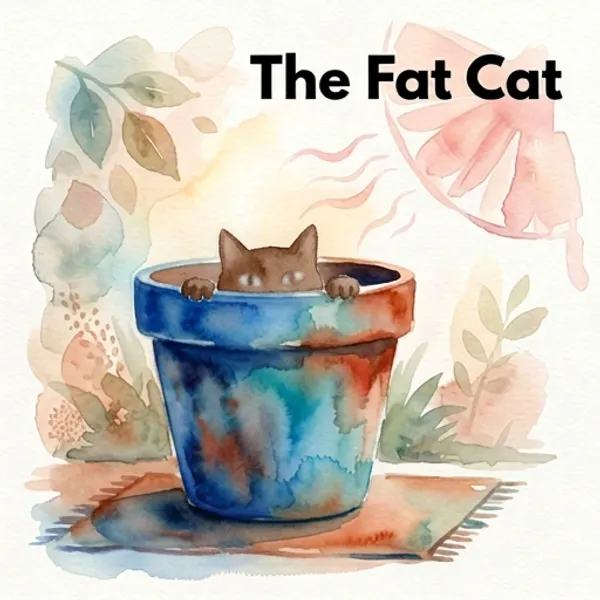
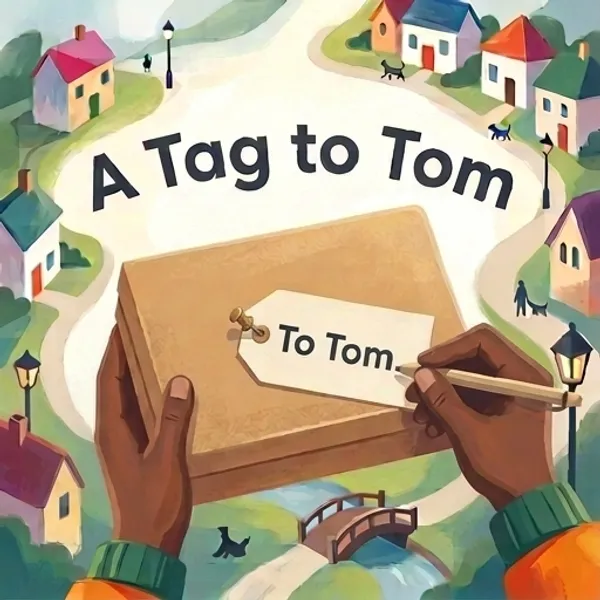



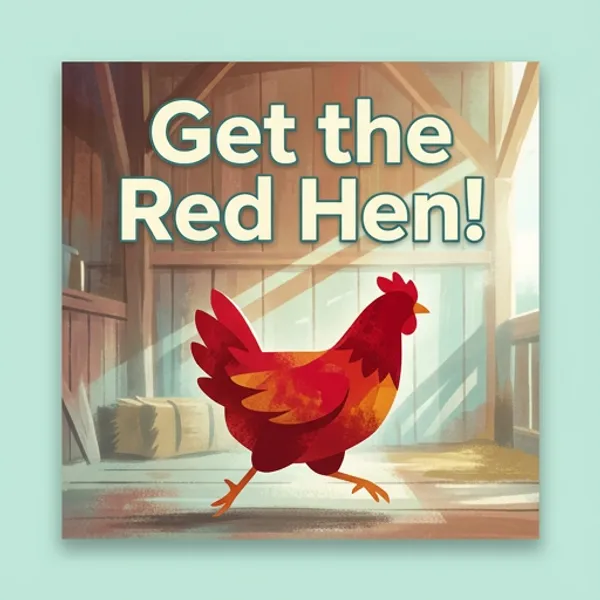

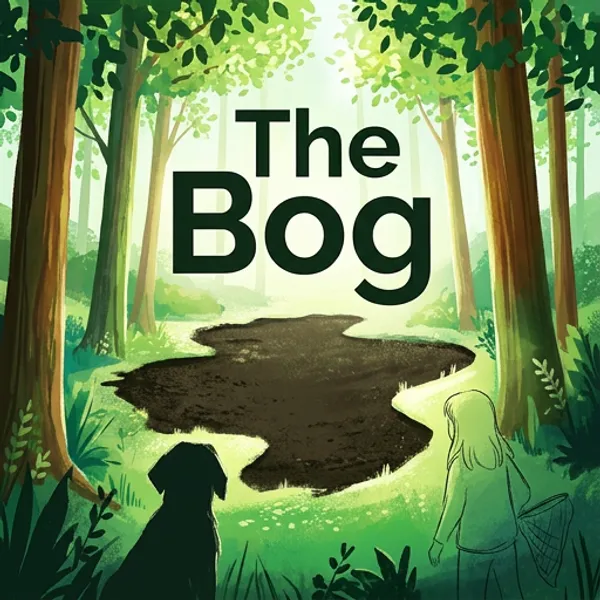

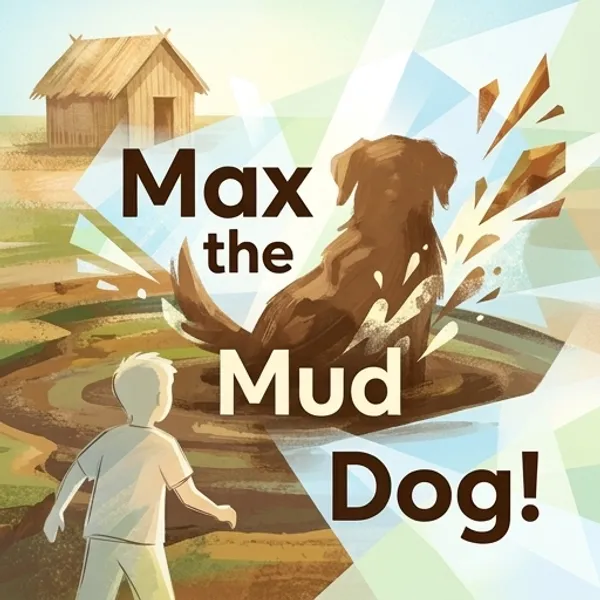
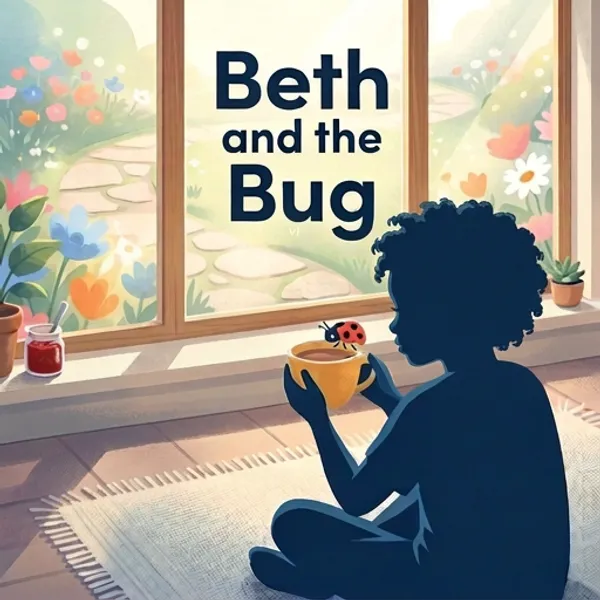
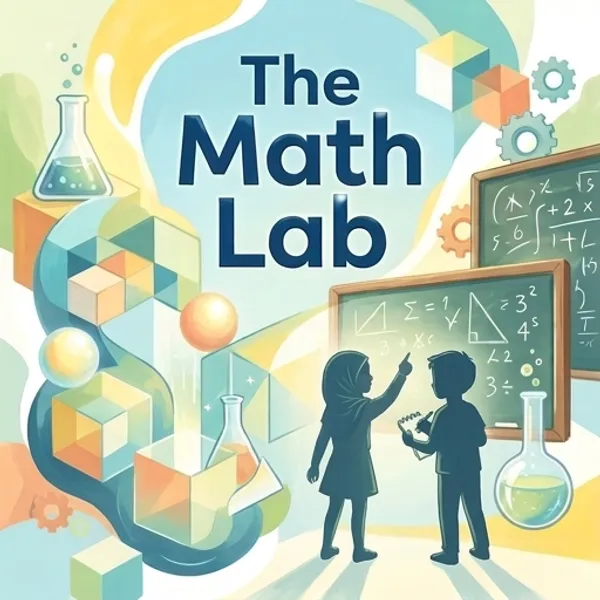
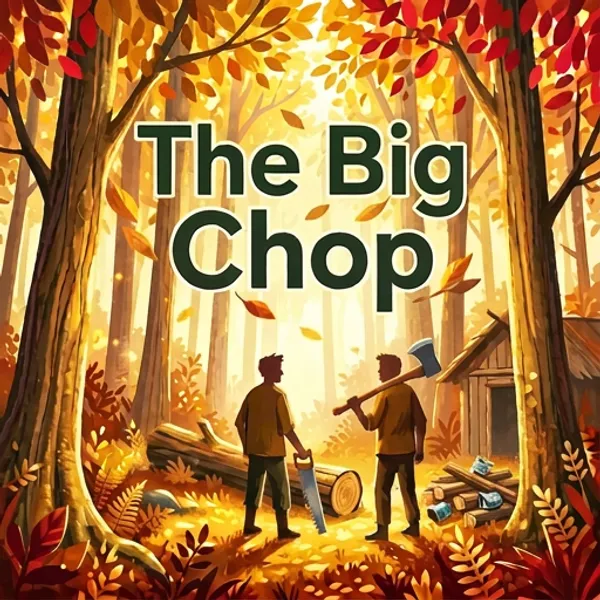
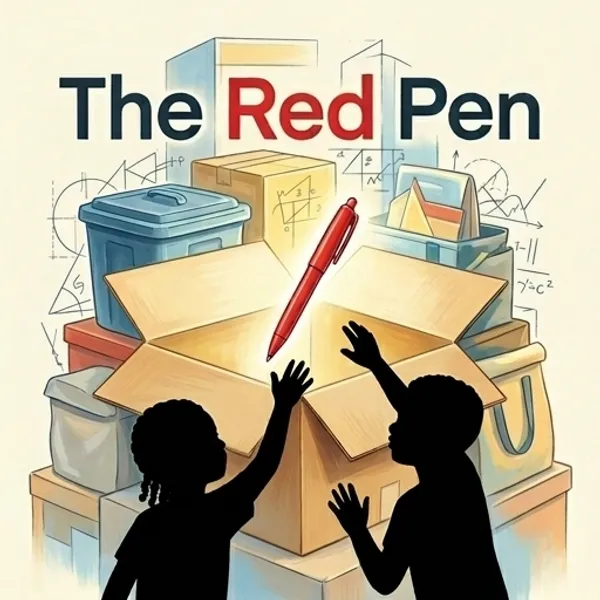
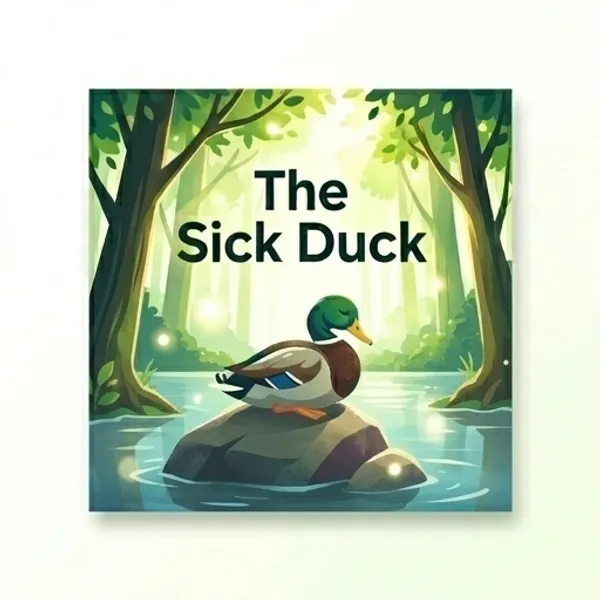
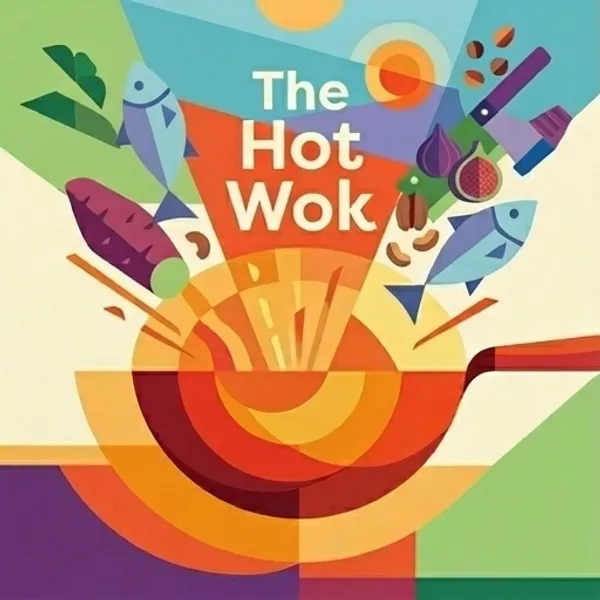
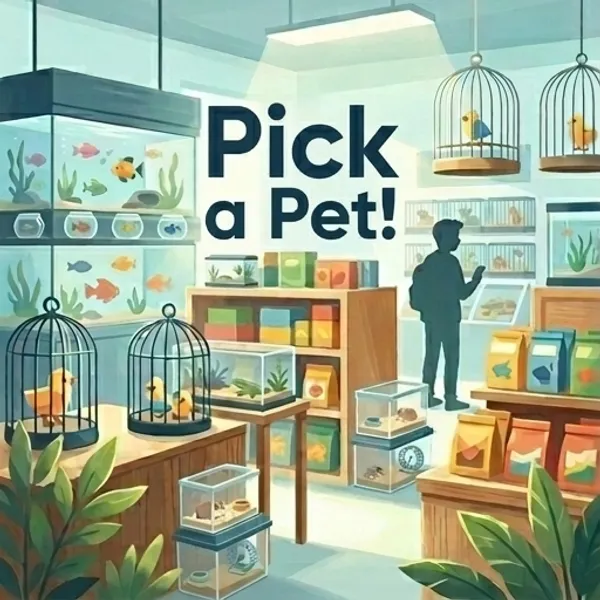
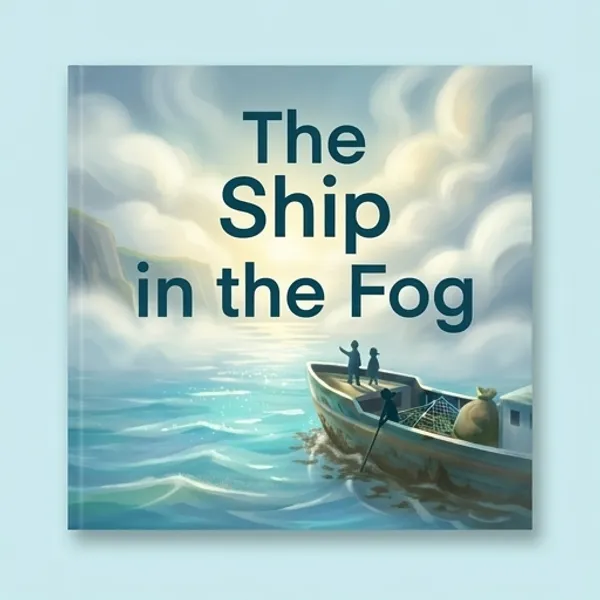







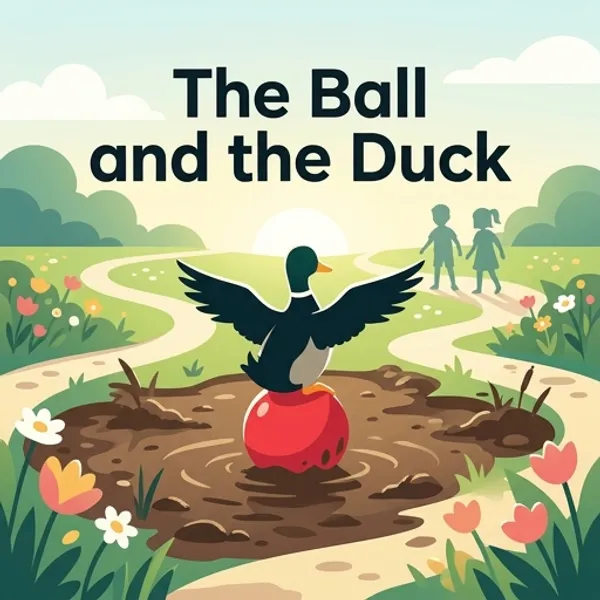
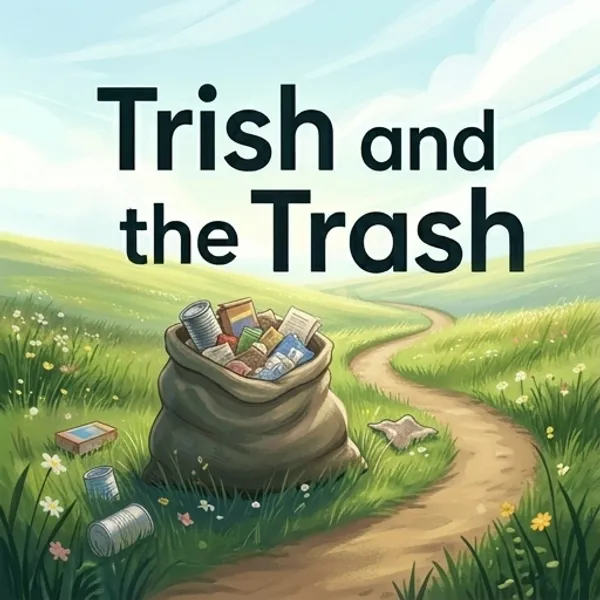
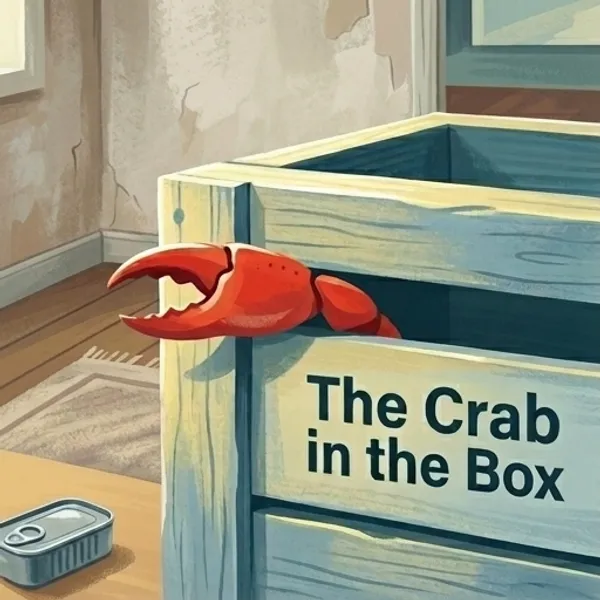
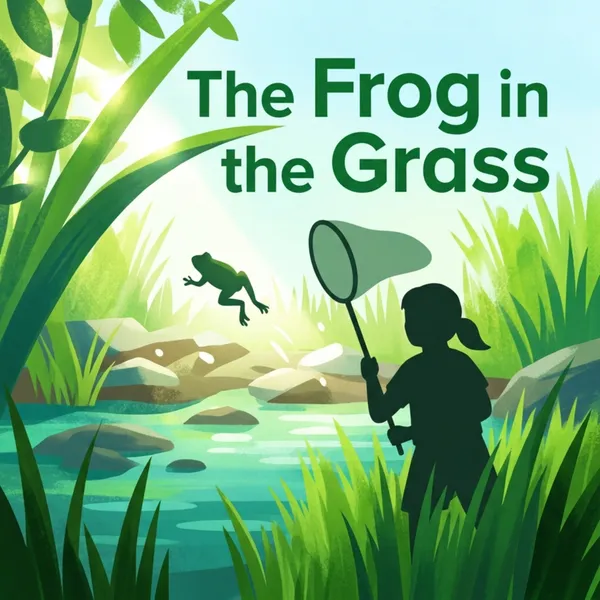
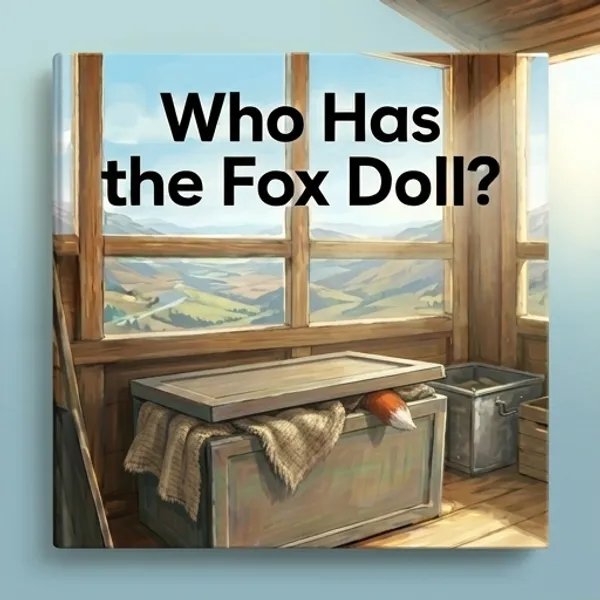


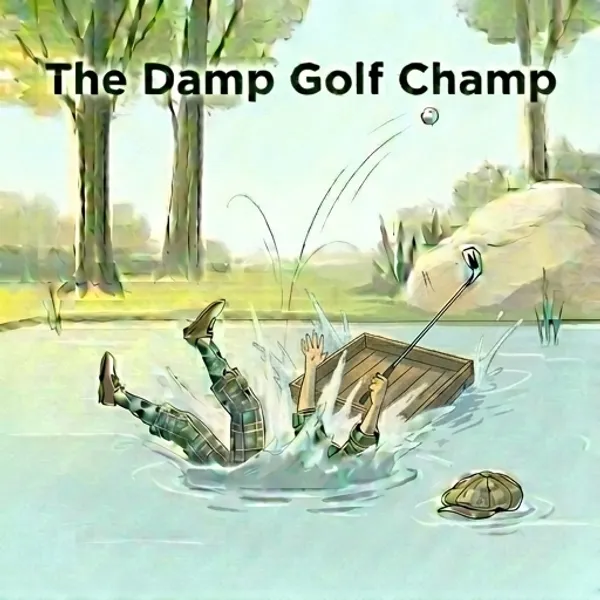

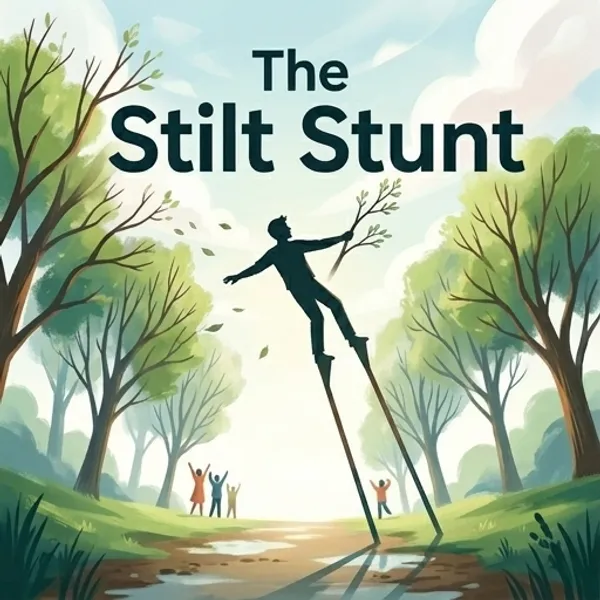

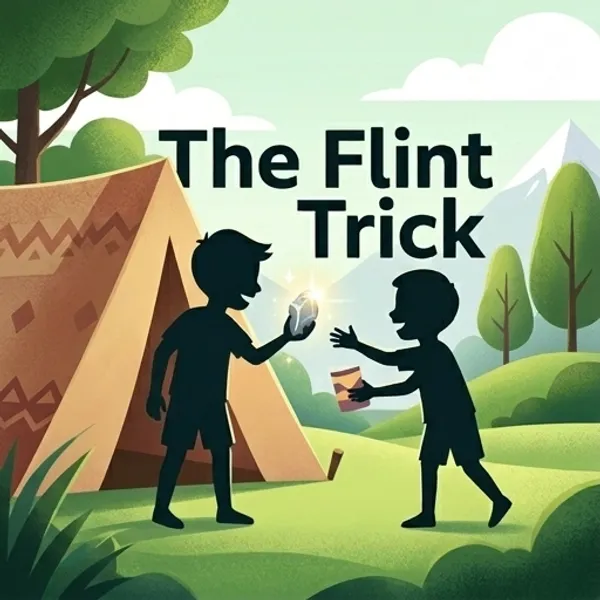


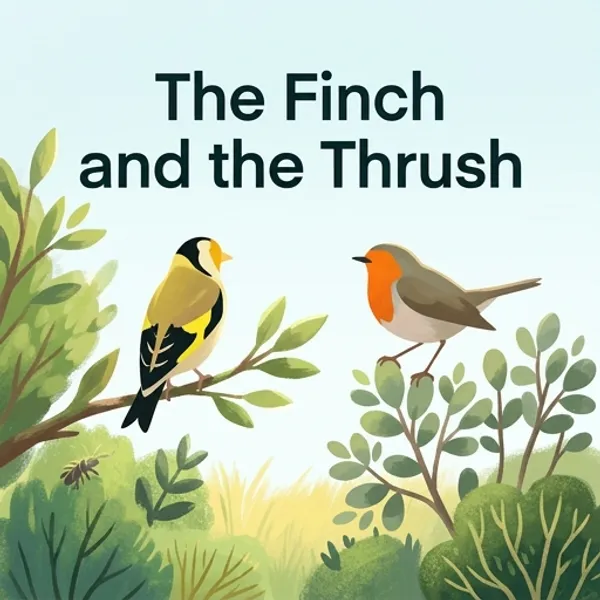
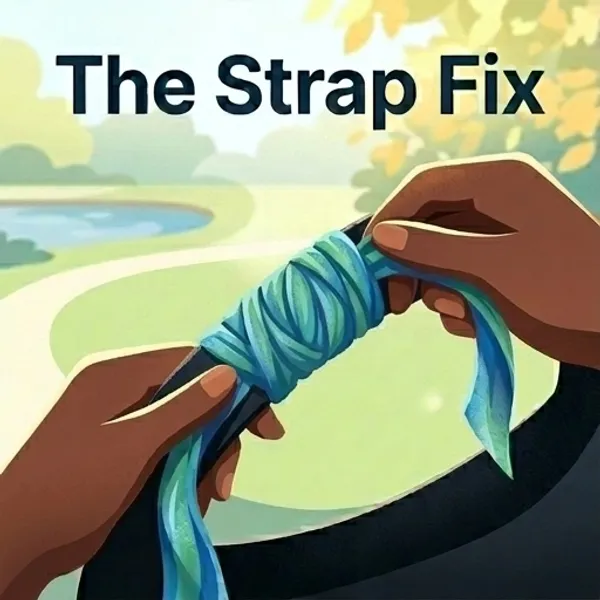

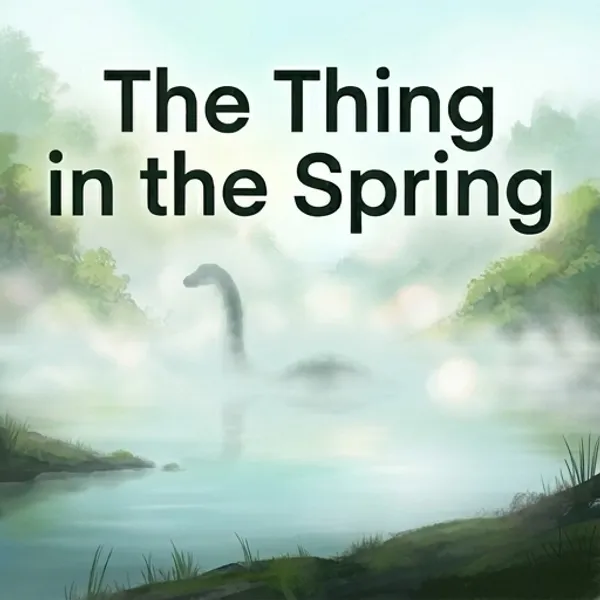

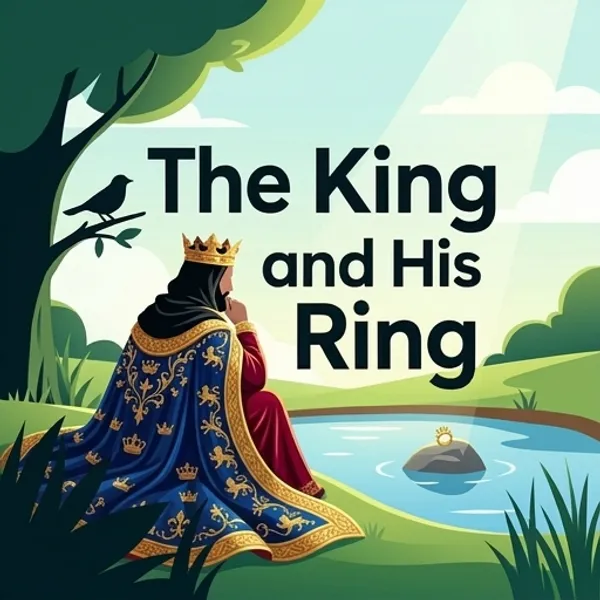
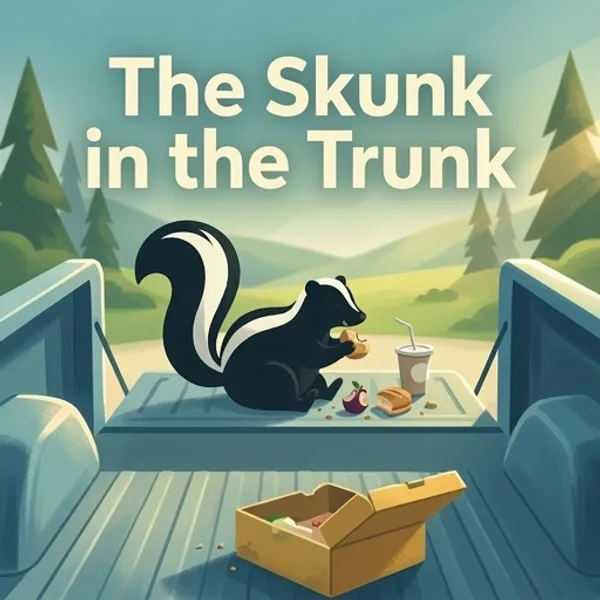
Sample book
Skunk in the Trunk
The Skunk in the Trunk
Mr. Mack and Dad went to camp in a truck.The lunch was in the trunk.Mr. Mack had a bun and a plum for lunch.Dad had a drink in a cup.At camp, Dad did lift the lid of the trunk.A skunk was in the trunk!The skunk had the lunch.It had the bun.It had the plum.It did munch and crunch.Mr. Mack did yell and jump back.Dad did blink and gasp.The skunk did not run.It sat in the trunk and had the drink in the cup."Just let it sit," said Dad with a shrug."But this is all the lunch," said Mr. Mack with a sniff."The skunk can have the lunch if it does not do a smell," said Dad.The skunk did hop back to the path with a big tum and a strut.Mr. Mack did yell, "You should thank us for the lunch, skunk!"The skunk did a wink and went in the grass.
Tap any word
If they get stuck on something, they can tap any word.